Your Atlanta home search or sale can be transformed by paying attention to the small, block level comforts that buyers notice first. In a city where commute minutes, BeltLine access, and neighborhood coffee shops can change demand overnight, understanding how modest walkability and local amenities influence pricing gives buyers a real advantage and helps sellers get top dollar. This is a practical guide to help Atlanta buyers and sellers weigh what matters at the street level and turn those insights into better decisions today and for years to come.
Why small walk scores matter in Atlanta now: buyers are more selective about daily convenience. Shorter commutes, an easy walk to a grocery store or park, and proximity to MARTA or a BeltLine entry point all shorten friction in everyday life. For sellers, listing features that highlight those small wins increases perceived value and speeds up offers. Search terms like Atlanta homes for sale near BeltLine, walkable neighborhoods Atlanta, and homes close to MARTA are practical signals that bring motivated buyers to your listing.
How to evaluate a block before you buy: look beyond neighborhood names and focus on immediate amenities within a five to ten minute walk. Check for grocery and pharmacy options, morning coffee spots, transit stops, green space entry points, and visible evening activity. Visit at different times of day and on weekends to assess noise, traffic flow, and foot traffic. Confirm parking availability and curb conditions, and check local zoning or upcoming developments that could change block dynamics in the coming years.
Seller moves that capitalize on small walk scores: highlight nearby conveniences in your listing copy and photos. Include a short neighborhood amenities map or bulleted list in your marketing materials to show buyers exactly what they gain by living on your block. Quick, cost-effective improvements like fresh landscaping, clear walking paths, durable porch lighting, and a polished entryway immediately raise curb appeal and reinforce the walkable lifestyle buyers want. Price your home with local comp awareness that accounts for walkable edge premium in comparable sales.
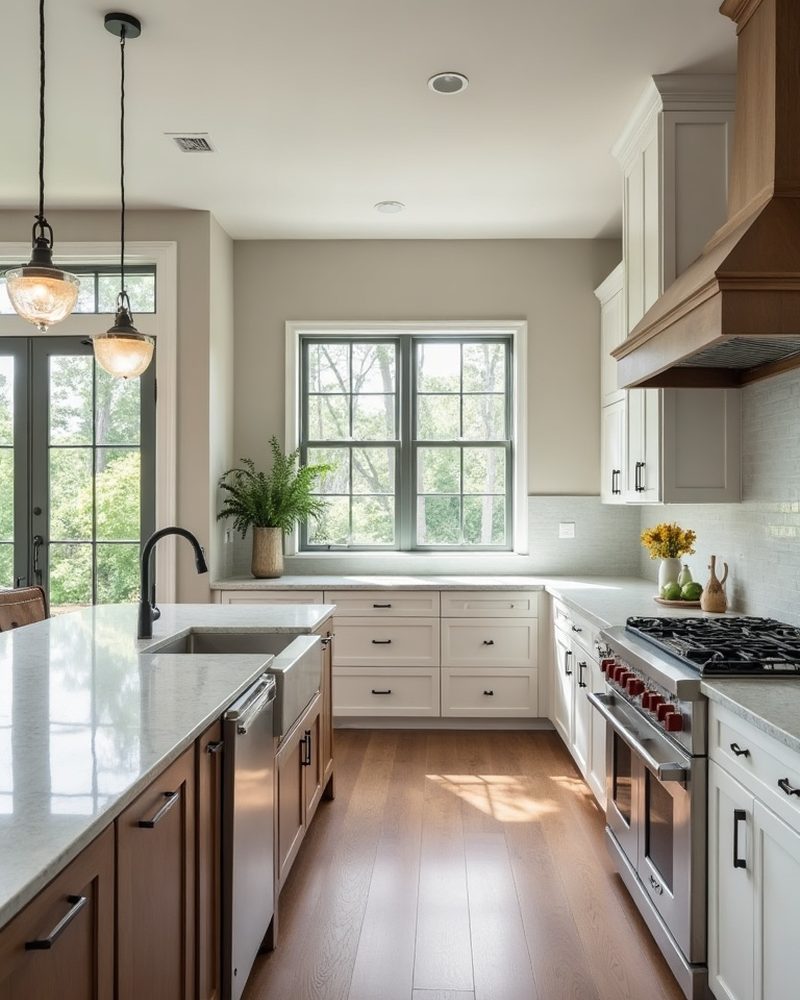
Renovations that pay off on walkable blocks: kitchens and bathrooms still lead return on investment, but buyers in walkable areas also value mudrooms, secure bike storage, and flexible home office spaces. Energy efficient windows and smart thermostats are attractive in tighter urban lots where comfort matters year round. Sellers should balance cosmetic updates with a small set of functional improvements that underscore ease of living on the block.
What buyers should ask their Atlanta agent: request block-level comparable sales and ask how long similar homes spent on the market. Ask for recent traffic or development permits in the immediate area and confirm flood zone and tree canopy information if mature front-yard trees are part of the appeal. A local agent who knows the difference between blocks within a single neighborhood can point to which homes hold value through market cycles and why.
How to use tech and local resources: combine Walk Score and transit schedules with on-foot visits and community message boards. Look up recent property transfers, pending permits, and school assignment boundaries. Use Google Street View for a quick orientation but always walk the block yourself. For buyers, placing offers that reflect real block strengths can mean winning competitive bids without overpaying for features that do not matter to your daily life.
Neighborhood snapshots for current Atlanta buyers: areas like Inman Park, Old Fourth Ward, Midtown, Decatur, and parts of Buckhead and West Midtown offer different blends of walkability, transit access, and lifestyle. Each micro market has its own price elasticity for walkable blocks, so focus on block-level comparisons rather than broad neighborhood averages when making offers or pricing a listing.
A simple checklist for buyers and sellers to use today and in the future:
- Walk the block at least twice, day and evening.
- Note proximity to grocery, transit, park, and coffee within a five to ten minute walk.
- Check recent comps within one to two blocks for realistic pricing context.
- Confirm flood zone status and any pending local permits.
- Make targeted updates that support block-level conveniences like bike storage and entry lighting.
If you want help applying this block-level strategy to your search or sale in Atlanta, reach out for neighborhood-specific insights and tailored marketing plans. The Rains Team is ready to assist whether you are buying a
