Atlanta real estate is a regional story built from many local decisions. From BeltLine access to school zones to the choices you make inside a kitchen, small moves add up into lasting value for both buyers and sellers. This post highlights practical, search-friendly advice for anyone looking to buy a home in Atlanta or sell their Atlanta property—advice that works now and will remain relevant as neighborhoods shift and market cycles change.
Start with the right local data. National headlines are useful for context, but Atlanta is a patchwork of micro-markets. Track recent sold prices, days on market, and inventory levels in the exact neighborhoods you care about. Pull records for streets and blocks, not just ZIP codes. For buyers this prevents overpaying by comparing true comps. For sellers it helps set a price that attracts multiple offers without leaving money on the table.
Buyers should think like long term owners and opportunistic investors at the same time. Prioritize transit access, walkability, and planned infrastructure projects because those features typically support resale and rental demand. Factor in commute times to major employment hubs and current or planned MARTA and BeltLine expansions. Consider emerging neighborhoods where upgrades are underway but prices have not fully reflected future demand.
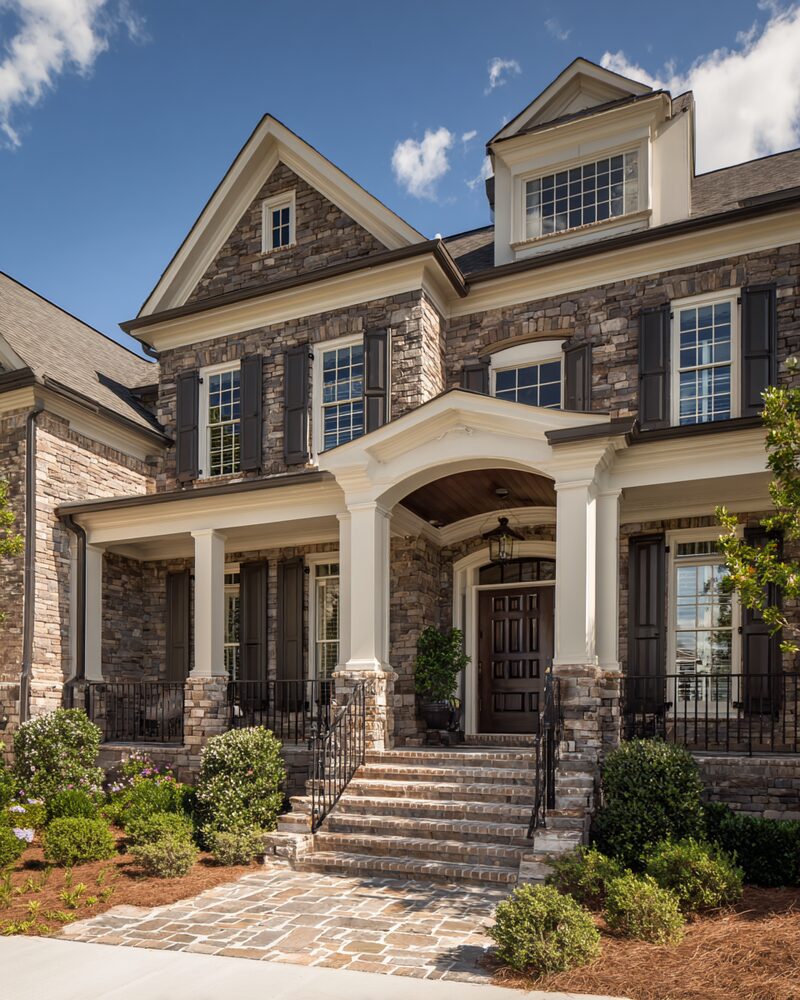
Sellers can increase buyer appeal with targeted, cost-effective improvements. Focus on first impressions: curb care, lighting, door hardware, and a neutral, fresh front entry. Inside, kitchens and bathrooms do not need top-of-the-line finishes to persuade buyers; clean layouts, updated hardware, and well-lit spaces often deliver stronger returns than high-end material upgrades. Pricing correctly and presenting a home with accurate photos and a clear online description drives search results and tours.
Make energy efficiency and resilience part of your plan. In Atlanta, attention to stormwater management, grading, and basic flood risk awareness is practical and future-focused. Simple actions like adding gutter protection, grading soil away from foundations, and documenting any past water issues help buyers feel confident. Energy upgrades such as better insulation, LED lighting, and programmable thermostats reduce operating costs and can boost listing visibility in searches for efficient homes.
Know when to invest in cosmetic staging versus structural repairs. Cosmetic staging helps buyers imagine life in your home and can shorten days on market. Structural issues must be addressed or transparently disclosed; surprises kill offers. When you get an inspection, use it as a checklist: correct what decreases perceived value, and be strategic about which items to repair versus price concessions you might offer instead.
For investors and buyers considering rental income, pay attention to tenant demand patterns across Atlanta. University-adjacent neighborhoods, areas near major hospitals and corporations, and transit corridors often sustain steady leasing. Check local ordinance changes and short term rental regulations before assuming a certain income model will work. Reliable cash flow comes from strong occupancy history as much as from headline rent numbers.
Use professional help strategically. A local agent with street-level knowledge saves time and reduces risk. They can find off-market opportunities, recommend contractors, and position a listing to surface in the right online searches. If you want area-specific pricing or a plan to prepare your home for sale, call The Rains Team at 404-620-4571 or visit
www.rainsteamatl.com to see neighborhood examples and market updates.
Think beyond the closing. Buyers should budget for immediate maintenance items and short term upgrades that protect value. Sellers should gather warranties, service records, and clear documentation of renovations to create trust with buyers. Photos and receipts included with a listing increase confidence and support asking price claims.
Final considerations that matter over time:
